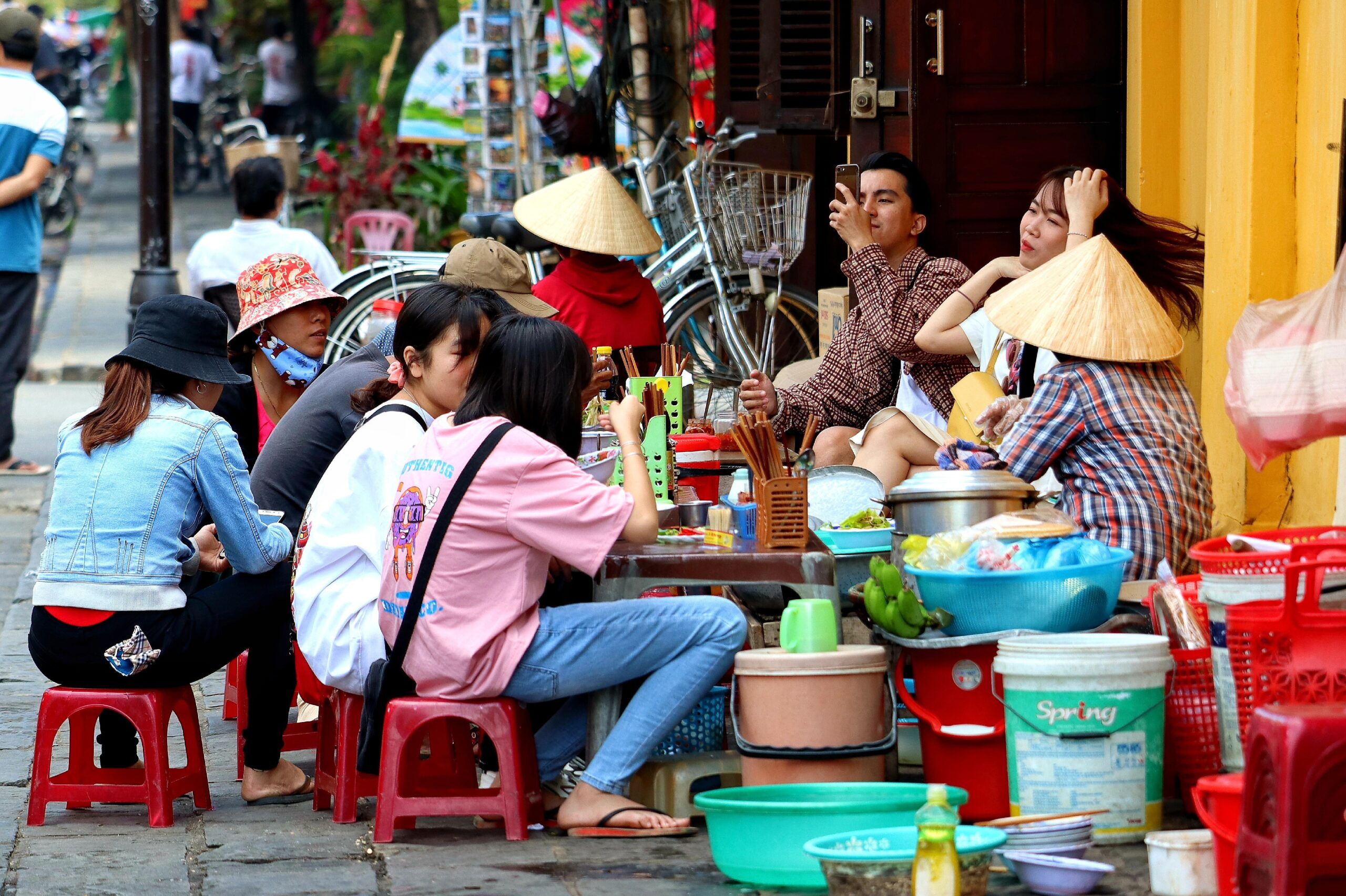
Food has always been much more than mere sustenance. It is a living, breathing testament to history, geography, and human connection. While fine dining restaurants offer meticulously curated experiences, the true soul of a city’s culinary heritage is almost always found on its streets. Street food represents the most authentic, unfiltered expression of local identity. It is where generational recipes are perfected over decades, often by a single family dedicating their lives to a single dish. The sights, the sounds, and the intoxicating aromas wafting from corner food carts form a universal language that transcends borders and speaks directly to our shared humanity. To eat on the street is to immerse oneself completely in the rhythm of a culture.
Nowhere is this phenomenon more vibrant than in Southeast Asia. Step into the bustling alleyways of Bangkok, and you are instantly enveloped in a symphony of sensory stimulation. The rhythmic pounding of a mortar and pestle signals the creation of som tum (green papaya salad), a perfect harmony of sour, sweet, salty, and spicy notes. Just a few steps away, the intense heat of a wok yields pad krapow or the iconic pad thai, infused with the unmistakable breath of the wok known as wok hei. Similarly, in Vietnam, the street food culture is an intricate tapestry woven into the daily fabric of life. Locals gather on miniature plastic stools on the sidewalks of Hanoi or Ho Chi Minh City, hunching over steaming bowls of pho. The rich, star-anise-infused beef broth simmering for hours, combined with fresh herbs and flat rice noodles, offers a comforting warmth that defies the city’s chaotic energy. The crisp bite of a banh mi—a brilliant fusion of French baguettes and vibrant Vietnamese ingredients like cilantro, pickled daikon, and savory meats—tells the story of colonialism, adaptation, and culinary resilience.
Halfway across the world, the streets of Latin America pulse with a different but equally compelling culinary rhythm. In Mexico City, the air is thick with the scent of roasted meat, charred chilies, and toasted corn. The taqueria is the undisputed king of the corner. Here, the mesmerizing spin of the trompo—a vertical spit of deeply marinated pork topped with a slice of pineapple—gives birth to tacos al pastor. Originating from Lebanese immigrants who brought shawarma techniques to Mexico, this dish is a masterclass in global culinary fusion. Fresh, hand-pressed masa tortillas are filled with the tender meat, topped with finely chopped onions, cilantro, and a dash of fiery salsa. In Colombia and Venezuela, the arepa serves a similar foundational role. These grilled cornmeal cakes, split open and stuffed with everything from shredded beef and black beans to soft cheeses and ripe plantains, offer a hearty, portable feast that fuels the daily lives of millions.
Tracing the ancient trade routes into the Middle East and the edges of Europe, street food reflects centuries of spice trading and empire building. In Istanbul, the convergence of East and West is edible. The day begins with the crunch of a simit, a circular bread encrusted with toasted sesame seeds, sold from red carts dotting the historic city. As the sun sets, the focus shifts to sizzling skewers of kebabs and the mesmerizing rotations of doner. The smell of cumin, sumac, and roasted garlic drifts over the Bosphorus. Across the Mediterranean, in Palermo, Sicily, the street markets of Vucciria and Ballarò offer an unapologetic dive into bold flavors. Deep-fried arancini (stuffed rice balls) and panelle (chickpea fritters) highlight a culinary tradition built on making the absolute most of affordable ingredients. Venture further north into Germany, and the Currywurst reigns supreme—a testament to post-war ingenuity where sliced pork sausage is drenched in a ketchup-based sauce laced with curry powder. In Paris, the humble street crêperie offers both sweet and savory escapes, folding warm, delicate batter around melting gruyere or rich hazelnut cocoa spread.
Beyond the flavors and ingredients, the magic of street food lies in its democratic nature. It is the great equalizer. At a street food stall, the barriers of social class, wealth, and status temporarily dissolve. A business executive in a tailored suit stands shoulder-to-shoulder with a local laborer, both waiting patiently for their turn to order. They eat under the same fluorescent lights, savoring the exact same recipe. In a world that often feels increasingly fragmented and isolated, these shared culinary spaces foster a profound sense of community. The vendor, often greeting regulars by name and memorizing their exact preferences, becomes an essential anchor in the neighborhood.
As cities rapidly modernize and global fast-food chains proliferate, the preservation of street food culture becomes increasingly vital. These vendors are the unofficial custodians of culinary heritage. They carry forward techniques and flavor profiles that might otherwise be lost to the convenience of mass production. Supporting street food is not merely an economic transaction; it is an investment in cultural preservation. It ensures that the distinct, authentic voices of a city’s past continue to be heard—and tasted—by future generations. Ultimately, to explore the world through its street food is to realize that while our languages, beliefs, and customs may differ wildly, our pursuit of joy, comfort, and connection through a beautifully crafted meal remains a shared human experience.