If you have ever tried to make pizza at home and ended up with a dense, cracker-like disc, or worse, a spongy, heavy crust that tastes overwhelmingly of raw yeast, you are not alone. I spent years fighting pizza dough. I kneaded it until my arms ached, loaded it with sugar and yeast hoping for a massive, rapid rise, and baked it within two hours. The result was always the same: distinctly average, and incredibly heavy on the stomach.
The turning point in my pizza journey came during a trip to Naples, Italy—the undisputed birthplace of the dish. I stood watching a master pizzaiolo stretch a piece of dough with effortless, fluid grace. He didn’t forcefully roll it out with a wooden pin; he coaxed it. When the pizza emerged from the roaring wood-fired oven just 90 seconds later, it was a masterpiece.
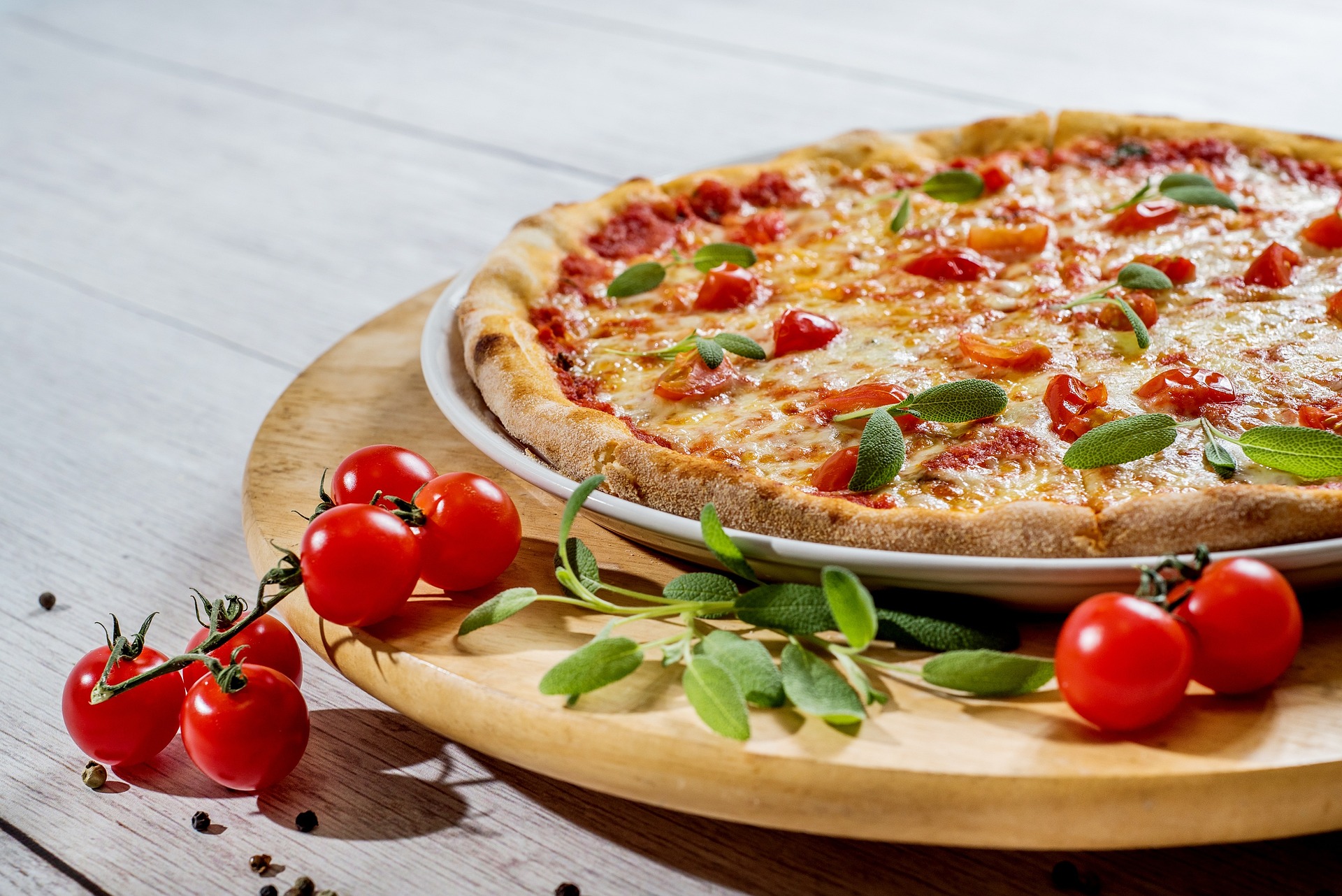
The outer edge (the cornicione) was violently puffed up, airy as a cloud, and blistered with those beautiful, highly sought-after black char marks known as “leopard spots.” The center was impossibly thin, yet perfectly capable of holding the bright, acidic San Marzano tomato sauce and pools of molten buffalo mozzarella.
When I asked him for his recipe, he didn’t give me a list of ingredients. He just tapped his watch. “It is not the recipe,” he said in broken English. “It is the time.”
That was the day I abandoned the two-hour pizza dough and discovered the absolute magic of Cold Fermentation. Today, we are going to look at the science of slow dough, and how you can replicate the Neapolitan miracle in your standard home oven.
The Foundation: Hydration and Flour
Before we talk about time, we must talk about the raw materials. Authentic Neapolitan dough consists of only four things: flour, water, salt, and a microscopic amount of yeast.
The Flour (Tipo 00):
You cannot use standard all-purpose flour for this. You need Italian “Tipo 00” flour. The “00” refers to the milling grade; it is milled incredibly fine, almost like baby powder. More importantly, it has a very specific protein content that develops a strong, elastic gluten network capable of trapping large amounts of gas without tearing.
The Hydration:
Most bad homemade pizza is too dry. To get those massive, airy bubbles in the crust, you need steam, and to get steam, you need water. We are aiming for a minimum of 65% hydration. That means for every 1000 grams of flour, you are using 650 grams of water. The dough will feel sticky, wet, and slightly difficult to handle at first. Do not add more flour! Trust the hydration.
The Science of Slow: Cold Fermentation
If you mix your dough, leave it on the counter for two hours, and bake it, the yeast eats the sugars rapidly, produces a bunch of carbon dioxide, and dies. You get a rise, but you get absolutely zero flavor complexity.
The 72-Hour Rule:
Instead, we are going to put our freshly mixed dough straight into the refrigerator. This is called cold fermentation.
When you drop the temperature of the dough, the yeast goes to sleep. Its activity slows down to a crawl. But here is the secret: while the yeast is sleeping, the enzymes in the flour are wide awake. Over the next 48 to 72 hours, these enzymes slowly break down the complex starches in the flour into simple sugars.
This chemical breakdown does three incredible things:
- Incredible Flavor: It develops a deep, tangy, complex, almost sourdough-like flavor profile that a quick-rise dough can never achieve.
- Digestibility: Because the enzymes have already done the hard work of breaking down the starches and gluten, the pizza will not sit like a rock in your stomach. It is remarkably light and easy to digest.
- The Leopard Spots: Remember those simple sugars the enzymes created? When those sugars hit a hot oven, they caramelize rapidly. This is exactly what creates that gorgeous, blistered, charred crust (the leopard spotting) that defines Neapolitan pizza.
Shaping: The Golden Rule (No Rolling Pins!)
After 72 hours in the fridge, divide your dough into individual balls and let them rest at room temperature for at least 3 hours. They need to be relaxed. If the dough is cold, it will snap back like a rubber band when you try to stretch it.
Never, ever use a rolling pin. A rolling pin acts like a steamroller, violently crushing all those beautiful, delicate gas bubbles you just spent three days developing.
Instead, heavily flour your hands and the counter. Using your fingertips, gently press the center of the dough ball outward, pushing the air from the center towards the outer rim. Leave a one-inch border completely untouched. Lift the dough, let gravity do the work, and gently drape it over your knuckles, turning it like a steering wheel until it forms a thin circle.
The Home Oven Hack
A traditional Neapolitan pizza oven operates at a blistering 900°F (480°C), baking the pizza in 60 to 90 seconds. Your home oven probably maxes out at 500°F (260°C). We have to hack the system.
You must use a Baking Steel (or a very thick pizza stone). Place the steel on the highest rack in your oven, just inches below the broiler ceiling. Preheat the oven to its absolute maximum temperature for a full hour so the steel absorbs massive amounts of thermal energy.
Right before you slide the pizza in, turn the oven setting from “Bake” to “Broil.” The scorching hot baking steel will instantly shock the bottom of the crust, causing the trapped water to vaporize into steam and violently puff up the edges (known as oven spring). Meanwhile, the direct, intense heat from the broiler above will cook the toppings and blister the top of the crust in under 4 minutes.
It requires patience, planning, and a little bit of nerve. But when you pull that blistered, bubbling, airy pie out of your home oven and hear the crust crackle as it cools, you will realize that three days of waiting was a very small price to pay for perfection.